Securing residential perimeters against subterranean and wood-destroying organisms requires an engineered approach grounded in local entomology and building science. Homeowners seeking a pest control service in Atlanta face intense ecological pressures generated by dense urban tree canopies, red clay soil moisture retention, and long subtropical humidity corridors.
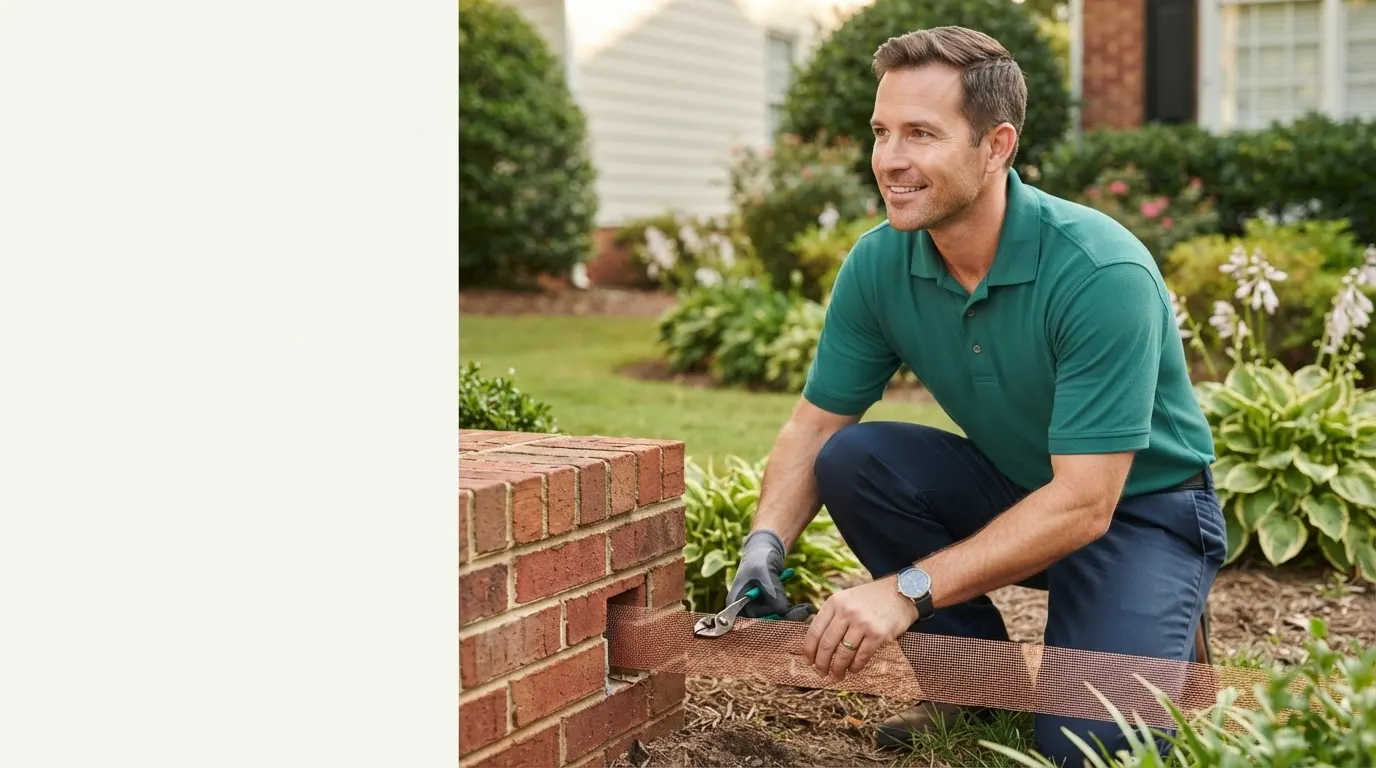
Pest Control Service in Atlanta is a specialized structural management discipline that inspects, intercepts, and systematically excludes biological invaders from residential foundations, attics, and living quarters throughout Fulton County.
Every service reflects the same meticulous attention to detail, whether it's a single job or a larger pest control service project across Atlanta.
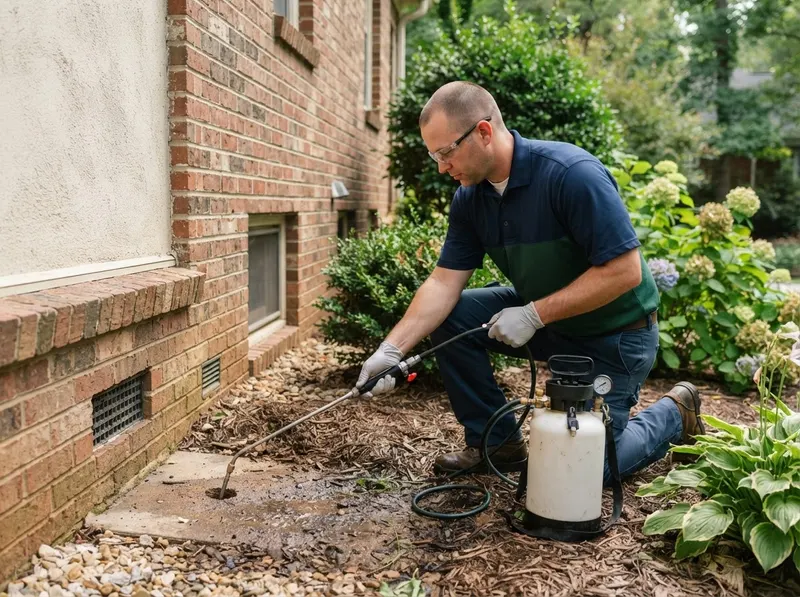
Subterranean termites account for substantial structural damage across Georgia's humid red clay corridors. Treatment establishes continuous non-repellent liquid soil barriers alongside exterior foundation walls and pier footings, or installs non-invasive subterranean bait monitoring systems spaced every ten to twelve feet. Protocols include full crawlspace wood-moisture diagnostics, sub-slab injection beneath attached slab patios, and structural sill-plate inspections to isolate and neutralize Reticulitermes flavipes colonies before timber integrity is compromised. Continuous chemical boundaries utilize advanced active ingredients like fipronil that termites cannot detect, allowing foragers to transfer the lethal active agent throughout the subterranean colony matrix via grooming and food sharing. Technicians drill through expansion joints and perimeter slabs at twelve-inch intervals to reach soil interfaces beneath concrete flatwork, ensuring no subterranean pathway remains unfortified against colony intrusion.
Get a quote →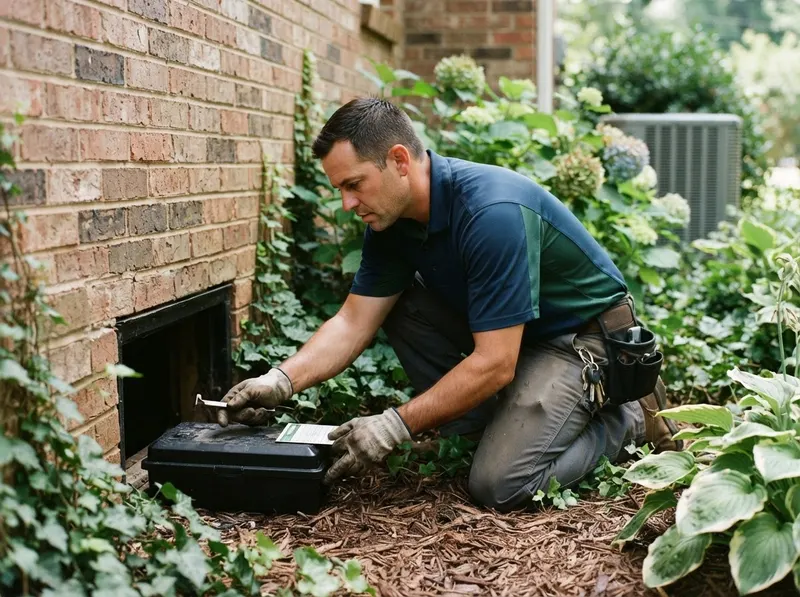
Roof rats and Norway rats exploit tree limbs and crawlspace access vents to enter structural envelopes across metropolitan properties. Rodent management begins with thermal attic scanning and architectural exclusion, sealing foundation gaps, roof transitions, and ridge vents using heavy-gauge welded wire mesh and steel hardware cloth. Interior biological populations are eliminated using precision mechanical traps placed along active rub-mark travel lanes, preventing decaying rodents inside interior wall insulation. Technicians map structural entry portals larger than one-quarter of an inch, inspecting plumbing chases, AC line-set penetrations, and roof valley intersections where rodents exploit architectural gaps. Trapping programs utilize multiple mechanical trigger styles placed in tamper-resistant interior runs to rapidly depopulate active nests without relying on interior toxic rodenticides that risk indoor pet exposure or secondary rodent expiration within structural voids.
Get a quote →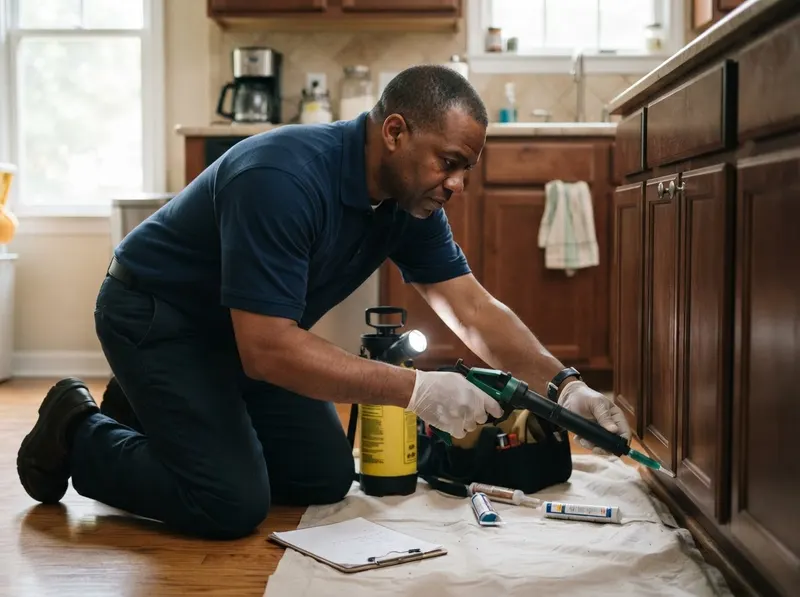
Smokybrown cockroaches inhabit saturated oak canopies, while German cockroaches colonize commercial-grade kitchen equipment, sub-counter crevices, and appliance motor housings. Control protocols avoid indiscriminate baseboard aerosol spraying, utilizing instead insect growth regulators (IGRs) combined with micro-encapsulated baits and non-repellent residual compounds. This protocol breaks the reproductive egg capsule cycle (ootheca) directly within harborages, eliminating indoor breeding without causing secondary interior dispersion. Technicians place precise micro-droplets of targeted gel baits directly into wall voids, cabinet hinge plates, electrical junction recesses, and pipe penetrations where nymphal stages congregate. Routine exterior perimeter treatments establish a five-foot chemical band along foundation walls and mulch lines to intercept mature outdoor smokybrown populations before they enter weep holes, door sweeps, or crawlspace thresholds.
Get a quote →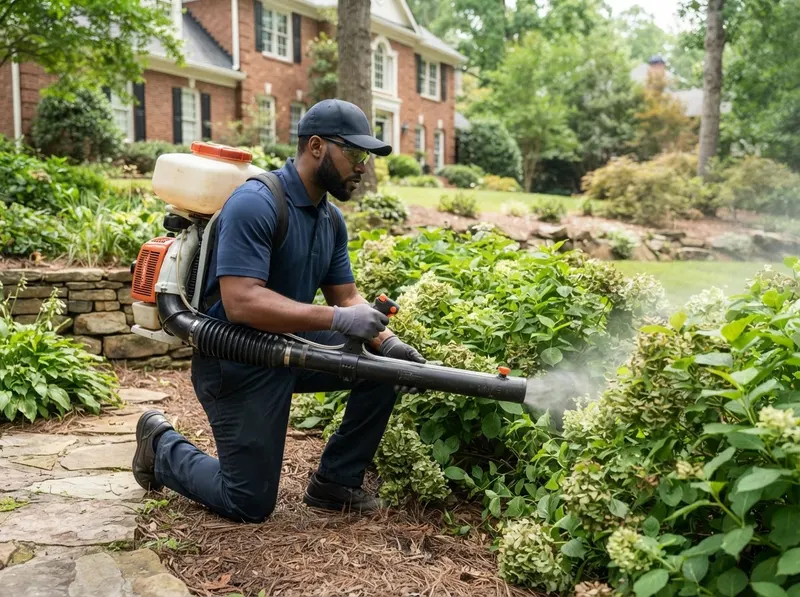
Culex and Asian tiger mosquitoes proliferate within shaded urban tree canopies, clogged box gutters, and localized standing water catch basins from April through October. Exterior suppression employs precision ultra-low-volume micro-sprayers targeting the undersides of broadleaf foliage, perimeter shrubbery, and shaded groundcovers where adult mosquitoes harbor during daytime heat. Treatments integrate biological larvicides into low-drainage soil depressions to disrupt juvenile metamorphic development before emergence. Applications utilize micro-encapsulated synthetic pyrethroids designed to adhere to leaf surfaces through heavy summer thunderstorm cycles, ensuring residual adult knockdown for three to four weeks per application. Larvicide briquettes formulated with Bacillus thuringiensis israelensis (BTI) are systematically placed in landscape drainage catch basins, retention boxes, and birdbaths to kill feeding larvae within twenty-four hours without harming wildlife or beneficial pollinators.
Get a quote →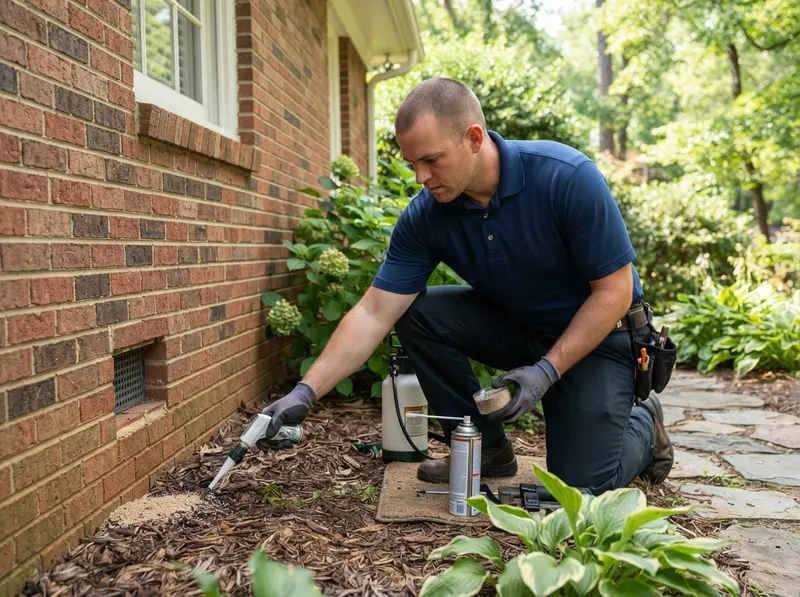
Argentine ants and black carpenter ants present distinct structural and sanitary operational challenges. Large super-colonies of Argentine ants resist single-node contact sprays, which induce colony budding into additional satellite nests. Field treatments utilize slow-acting carbohydrate and protein bait vectors transported back into subterranean queen chambers, accompanied by exterior perimeter band applications around stem walls to prevent foundation bridging. For wood-destroying black carpenter ants, technicians identify satellite galleries established in moisture-damaged fascia boards, window framing, and subflooring. Specialized void injections introduce expanding dry foam formulations containing non-repellent insecticides directly into nesting chambers, neutralizing parent and satellite colonies while leaving dry chemical residuals that prevent future colonization within structural timber voids.
Get a quote →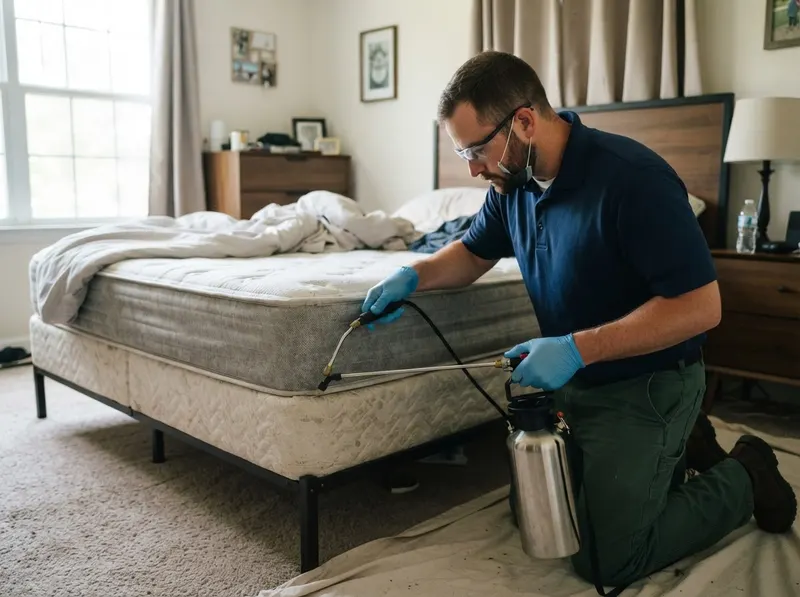
Cimex lectularius infestations demand meticulous mechanical and non-chemical integration across mattress seams, headboards, baseboard interfaces, and switch plate cavities. Service protocols incorporate specialized HEPA vacuuming, localized dry steam treatments exceeding 180 degrees Fahrenheit, and structural desiccant dust applications inside wall voids. Follow-up diagnostic inspections confirm the complete destruction of unhatched eggs and nymphal life stages. Technicians systematically disassemble bed frames, examine carpet tack strips, and probe baseboard perimeters with high-intensity diagnostic lighting to isolate all active harborages. Desiccant dust formulations containing amorphous silica gel are electrostatically applied behind electrical wall plates and structural baseboards, degrading the insect's waxy epicuticle and producing total dehydration within seventy-two hours of direct contact.
Get a quote →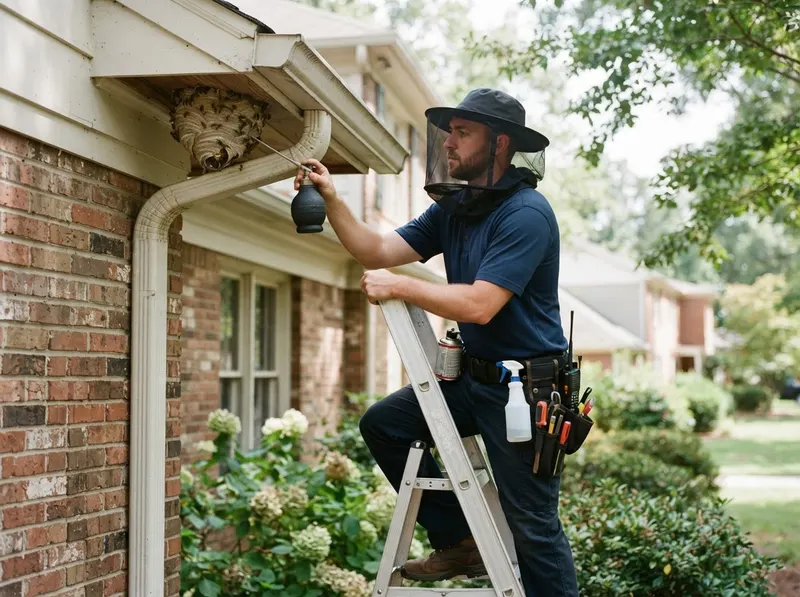
Paper wasps, bald-faced hornets, and subterranean yellowjackets construct aggressive defensive nests beneath architectural eaves, porch ceilings, and underground root hollows. Eradication utilizes directional micro-aerosol and direct-contact dust injections under high pressure to neutralize the colony immediately. Technicians remove physical nest matrices and treat structural anchor points with residual deterrents to stop seasonal rebuilding. Subterranean yellowjacket nests in lawn root cavities or landscape retaining walls receive precision void-drenching applications that collapse the multi-tiered comb structure without displacing angry guard workers into adjacent living zones. Eave and soffit treatment zones are sealed with botanical repellent barriers that deter fertile foundress queens from establishing new paper nests during the early spring colonization period.
Get a quote →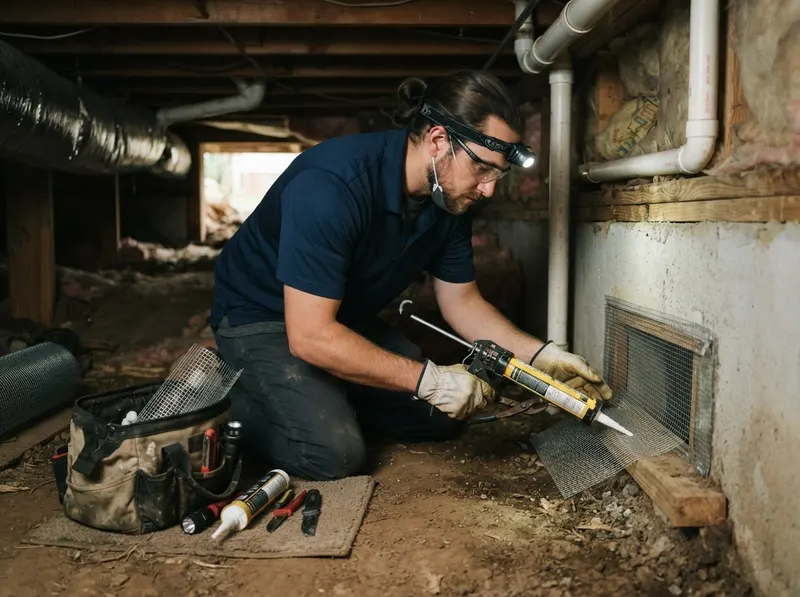
Vented crawlspaces maintain high ambient humidity that fosters wood-boring powderpost beetles, silverfish, and camel crickets. Exclusion involves sealing perimeter crawlspace vents with rodent-proof wire mesh, repairing deteriorated access doors, laying heavy-duty vapor barriers across exposed soil, and installing localized borate wood treatments along floor joists to eliminate pest harborage environments. Technicians apply structural borate mineral salts directly to raw floor joists, subfloor sheathing, and sill plates, creating a permanent chemical barrier that stops wood-eating beetle larvae and subterranean termites from feeding on structural framing. Mechanical exclusion panels constructed from quarter-inch galvanized steel wire cloth are fitted over exterior crawlspace foundation vents to prevent rats, raccoons, and opossums from breaching the structural substructure.
Get a quote →You get a firm, itemized quote for your pest control service before any work begins, no surprises, no pressure.
Careful prep, tidy work, and a full cleanup when we are done. We treat your home and belongings like our own.
The same trusted, background-checked team from the first call to the final check.
Selecting the proper pest mitigation framework depends directly on the biological profile of the target organism, the structure's physical architecture, and the perimeter environment. If you want immediate population collapse for acute indoor infestations such as German cockroaches or attic roof rats, choose targeted bait vectoring and thermal structural exclusion. If you want long-term asset defense against structural timber decay, choose subterranean liquid termiticide trenches coupled with continuous perimeter monitoring stations.
The trade-off is mechanical timeline versus systemic residual longevity: interior aerosol flushing offers fast knockdowns but risks scattering surviving colonies into adjacent drywall voids if perimeter harborage points remain unsealed, whereas exterior chemical barriers and physical exclusion require forty-eight hours to complete barrier bonding but systematically eliminate reproductive queens at the ground level. For structures constructed on vented crawlspaces or unsealed stone foundations, passive surface applications fail completely because wood-boring beetles and subterranean termites penetrate sill plates beneath the chemical line. In those environments, borate timber diffusion combined with crawlspace encapsulation and foundation soil injection delivers comprehensive structural security, whereas slab-on-grade homes benefit most from sub-slab precision void injections and targeted weep-screed barrier treatments.
When addressing aggressive perimeter species like Argentine ants or smokybrown cockroaches, localized topical sprays only eliminate the five percent of the population actively foraging, prompting defensive reproductive budding that exacerbates the infestation. Choosing slow-acting delayed-toxicity bait matrices allows worker populations to transport active compounds deep into subterranean nests, neutralizing the reproductive nucleus over a period of seven to fourteen days rather than producing temporary surface-level clearance. Homeowners must weigh immediate visual suppression against true biological eradication, recognizing that durable perimeter defense demands physical structural hardening alongside chemical interception.
Every project gets a firm, written price after a free on-site visit. Ranges below for orientation.
Tell us about your pest control service job and we'll send a clear, written quote, usually the same day. Or just call and talk to a real Atlanta pro.
(404) 779-2145
The combination of Georgia's dense Piedmont clay, towering historic tree canopies, and aging architectural framing across neighborhoods like Inman Park, Virginia-Highland, and Grant Park creates severe moisture microclimates. Subterranean termites thrive within the damp soil lines surrounding stone foundations, while roof rats navigate mature water oaks and overhanging hardwoods near Piedmont Park and Chastain Park to bypass exterior walls. Structural defense requires sealing unique crawlspace framing, stone cellar gaps, and historic soffit vents against intense regional biological pressures. In historic districts containing century-old homes built on granite pier-and-beam foundations, settling soil creates foundation fissures where subterranean termite mud tubes enter framing undetected beneath heart-pine floorboards. Neighborhoods along the Atlanta BeltLine corridor, including Old Fourth Ward and Cabbagetown, exhibit dense multi-family residential structures sharing common utility trenches that facilitate rapid German cockroach and rodent migration between adjoining buildings. Meanwhile, heavily forested residential pockets in Buckhead Forest and Collier Hills suffer from elevated canopy-level humidity that fuels continuous smokybrown cockroach and Asian tiger mosquito reproduction throughout the extended warm months between April and late October. Regional soil compositions feature thick, iron-rich kaolinite red clays that expand during heavy spring rainfall and contract into deep fissures during summer dry spells. These soil dynamics continually stress rigid foundation barriers, creating subsurface voids around water meters, foundation piers, and sewage lines that serve as natural travel highways for Argentine ant super-colonies and burrowing Norway rats. Managing these localized threats requires technicians to inspect and adapt perimeter barriers directly to the underlying structural geology of Fulton County properties, installing flexible foundation seals and deep-ground termiticide trenches engineered to withstand local soil shifts.
Free estimates for Atlanta & the surrounding area.
 PestSentry Pest Control